


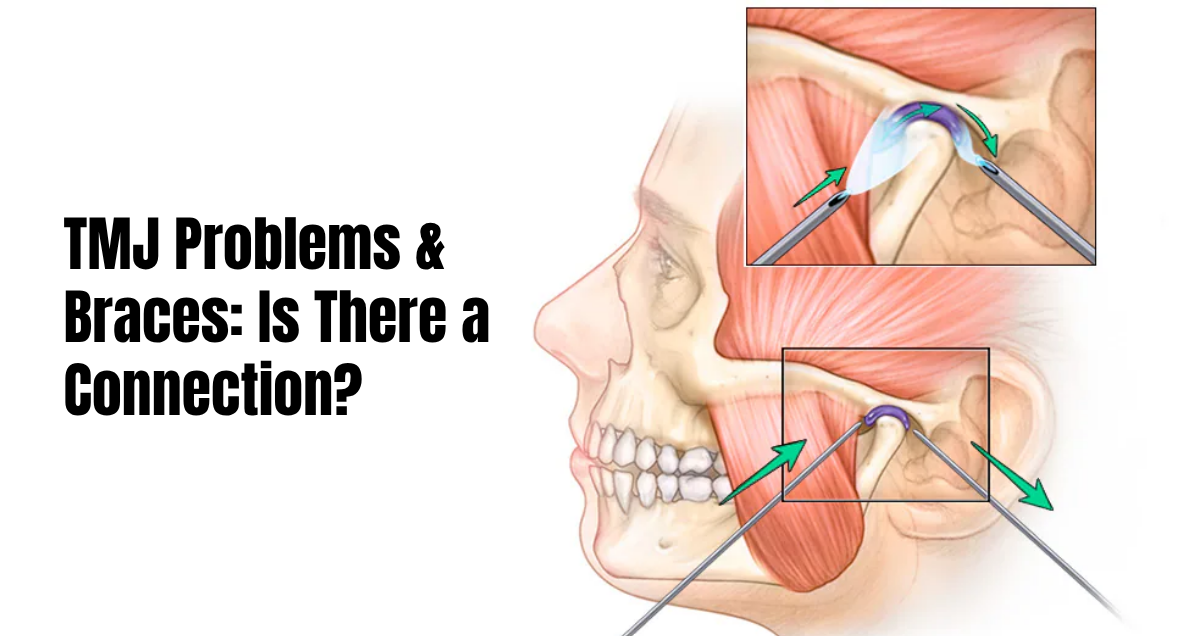
TMJ Problems & Braces: Is There a Connection?
Jaw pain, clicking sounds while opening the mouth, and difficulty chewing are symptoms many people experience at some point. These problems are often related to the temporomandibular joint (TMJ), which connects the lower jaw to the skull and allows the mouth to move.
When the jaw joint does not function properly, it can lead to a condition known as temporomandibular joint disorder (TMD). Many patients who suffer from jaw pain wonder whether orthodontic treatment—such as braces—can help improve their symptoms.
Understanding the relationship between TMJ problems and braces is important because jaw alignment and bite positioning can significantly influence joint function.
What Is the Temporomandibular Joint (TMJ)?
The temporomandibular joint is one of the most complex joints in the human body. It acts like a sliding hinge that allows the jaw to open, close, and move side to side.
This joint is responsible for essential daily functions such as:
- Talking
- Chewing
- Swallowing
- Yawning
When the joint or surrounding muscles become strained or misaligned, it can cause discomfort and functional problems.
What Causes TMJ Problems?
TMJ disorders can develop due to multiple factors. In many cases, more than one factor contributes to the condition.
Common causes include:
Bite Misalignment
When the upper and lower teeth do not align properly, uneven pressure can be placed on the jaw joint.
Teeth Grinding (Bruxism)
Chronic grinding or clenching places excessive stress on the TMJ and surrounding muscles.
Jaw Injury
Trauma to the jaw or face can damage the joint and cause long-term symptoms.
Arthritis
Inflammation of the joint due to arthritis may affect jaw movement.
Stress and Muscle Tension
Stress often leads to clenching of the jaw muscles, which can aggravate TMJ symptoms.
Symptoms of TMJ Disorders
TMJ problems can present with a variety of symptoms that affect the jaw, head, and neck.
Common symptoms include:
- Jaw pain or tenderness
- Clicking or popping sounds when opening the mouth
- Difficulty chewing or biting
- Headaches or ear pain
- Jaw locking or limited movement
- Facial muscle fatigue
These symptoms may range from mild discomfort to severe pain that interferes with daily activities.
How Bite Alignment Affects the Jaw Joint
The way teeth fit together plays a significant role in how the jaw functions. When the bite is uneven, the jaw muscles and joints must compensate during chewing and speaking.
Over time, this imbalance can strain the TMJ and surrounding muscles.
Certain orthodontic issues—such as deep bites, crossbites, or crowding—may contribute to jaw stress.
For example, patients with excessive vertical overlap of teeth may experience jaw discomfort. You can learn more about this condition in our detailed article on Deep Bite Correction: Treatment Options Explained.
Correcting bite alignment can sometimes reduce stress on the jaw joint.
Can Braces Help TMJ Problems?
In some cases, orthodontic treatment may help improve TMJ symptoms.
Braces work by gradually repositioning teeth and improving bite alignment. When the teeth align properly, the jaw can function more evenly.
Potential benefits include:
- Improved bite balance
- Reduced strain on jaw muscles
- Better distribution of chewing pressure
- Improved jaw movement
However, it is important to understand that braces are not always a direct cure for TMJ disorders.
Situations Where Braces May Help TMJ Symptoms
Orthodontic treatment may be beneficial if TMJ problems are related to bite issues such as:
Severe Bite Misalignment
When teeth do not align properly, the jaw may shift during chewing, placing pressure on the joint.
Crowded or Crooked Teeth
Irregular tooth alignment may interfere with normal jaw movement.
Deep Bite or Overbite
Excessive overlap of front teeth can contribute to jaw strain.
In these situations, correcting the bite with braces may improve joint function and reduce symptoms.
When Braces May Not Solve TMJ Problems
Not all TMJ disorders are caused by orthodontic issues.
If symptoms result from:
- muscle tension
- arthritis
- injury
- severe teeth grinding
then braces alone may not resolve the problem.
Additional treatments such as night guards, physiotherapy, or lifestyle modifications may be recommended.
Patients who experience chronic grinding should also understand its effects on teeth and jaw health. Our article on Baby Teeth Grinding at Night: Should Parents Be Concerned? explains how grinding habits can affect oral structures.
Other Treatments for TMJ Disorders
Treatment for TMJ problems depends on the underlying cause and severity.
Common management approaches include:
Bite Guards or Night Guards
These appliances protect teeth and reduce pressure on the jaw joint during sleep.
Physiotherapy
Jaw exercises can improve muscle flexibility and reduce tension.
Stress Management
Reducing stress may decrease jaw clenching and muscle strain.
Medication
Anti-inflammatory medication may help relieve pain and swelling.
Orthodontic Treatment
If bite alignment is the primary cause, braces or aligners may help correct the issue.
How Dentists Diagnose TMJ Problems
A dentist or orthodontist evaluates TMJ issues through a detailed examination.
Diagnosis may include:
- Jaw movement assessment
- Bite analysis
- Checking for clicking or popping sounds
- Evaluating muscle tenderness
- Dental X-rays or imaging if needed
Accurate diagnosis is essential for selecting the most effective treatment plan.
Preventing TMJ Problems
While not all TMJ disorders can be prevented, certain habits can reduce the risk.
Helpful preventive measures include:
- Avoiding excessive chewing of hard foods
- Managing stress levels
- Maintaining proper posture
- Avoiding teeth grinding
- Seeking orthodontic evaluation for bite problems
Early detection of alignment issues can help prevent long-term jaw complications.
Why City Smiles Dental Care Is the Right Choice for TMJ and Orthodontic Care in Kolkata
At City Smiles Dental Care, we understand that jaw pain and bite problems can significantly affect daily comfort and quality of life. Our approach focuses on identifying the root cause of TMJ symptoms through careful evaluation of jaw function, bite alignment, and oral habits. When orthodontic correction is required, customized treatment plans are designed to improve both function and aesthetics. Located in South Kolkata, the clinic provides dependable dental and orthodontic care for patients seeking long-term jaw and smile health.
Why patients choose City Smiles Dental Care:
- Comprehensive bite and jaw evaluation
- Customized orthodontic treatment planning
- Focus on long-term jaw function and comfort
- Modern orthodontic solutions
- Transparent treatment guidance
- Ethical and patient-first care
- Trusted dental clinic in South Kolkata
Conclusion
TMJ disorders can cause significant discomfort and affect daily activities such as eating and speaking. While braces are not always a direct cure for TMJ problems, they can help improve symptoms when jaw pain is related to bite misalignment. Proper diagnosis and individualized treatment planning are essential for addressing the underlying cause. Consulting a qualified dental professional ensures the most appropriate approach to managing TMJ symptoms and restoring comfortable jaw function.
FAQs
- Can braces fix TMJ problems?
Braces may help if TMJ symptoms are caused by bite misalignment. - Do braces cause TMJ pain?
Temporary jaw discomfort may occur during adjustment, but braces generally do not cause long-term TMJ disorders. - What are the early signs of TMJ disorder?
Jaw pain, clicking sounds, headaches, and difficulty chewing are common early symptoms. - Is TMJ disorder permanent?
Many cases improve with proper treatment and lifestyle adjustments. - Should I see a dentist for jaw clicking?
Yes, persistent jaw clicking or pain should be evaluated by a dental professional.