


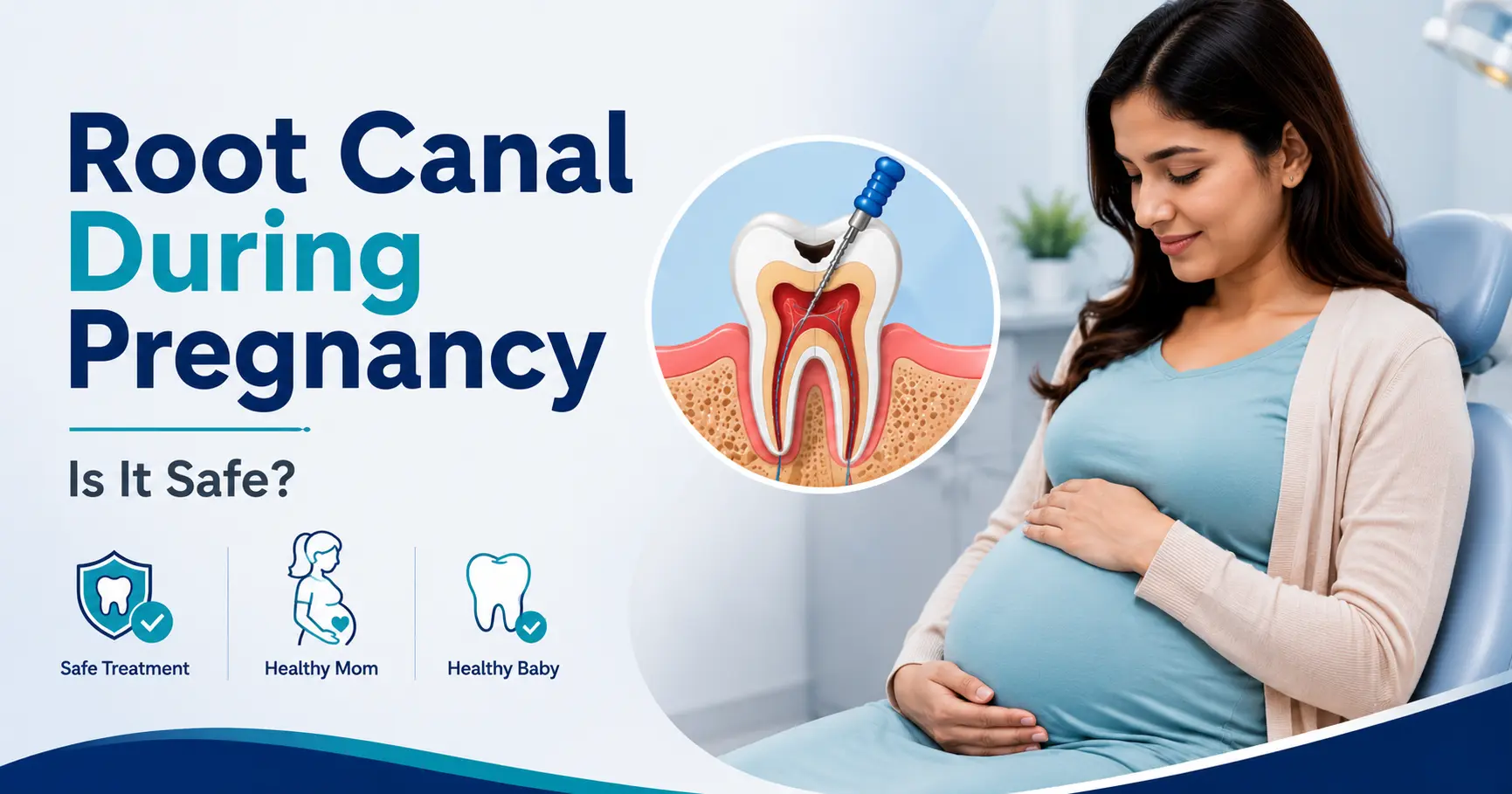
A throbbing tooth is stressful at the best of times. During pregnancy, it comes with an extra layer of worry: “Will treating this harm my baby?” If you have been told you need a root canal during pregnancy — or you are searching in the middle of a sleepless, painful night — this guide gives you a clear, medically accurate answer.
The short version: yes, a root canal during pregnancy is considered safe, and in most cases treating the infection is far better for you and your baby than waiting. Below, we explain why, when, and how — in plain language, without fear-mongering.
Quick Answer: Yes, a Root Canal During Pregnancy Is Considered Safe
A root canal during pregnancy is considered a safe and often necessary procedure. Leading medical bodies, including the American Dental Association and the American College of Obstetricians and Gynecologists, confirm that essential dental treatment — including root canal treatment, local anaesthesia, and dental X-rays with proper shielding — can be performed safely during pregnancy.
In fact, dentists and obstetricians agree on something many patients find surprising: an untreated tooth infection usually poses a greater risk to a pregnancy than the root canal itself.
That said, “safe” does not mean “identical for everyone.” Timing, technique, and medication choices are adjusted based on your trimester and overall health — which is exactly what an experienced dental team plans for.
Why Dentists Recommend Treating — Not Delaying — a Pregnancy Tooth Infection
Delaying a root canal during pregnancy is usually riskier than the procedure itself. A root canal becomes necessary when the soft tissue inside the tooth (the pulp) is infected or dying. That infection does not pause because you are pregnant — it tends to progress, causing worsening pain, swelling, and in some cases spreading beyond the tooth.
Many expectant mothers in South Kolkata come to us after weeks of “managing” the pain with salt water rinses and paracetamol, hoping to hold out until delivery. We understand the instinct completely — it comes from wanting to protect the baby. But here is what dentists want every pregnant patient to know: the infection is the threat, not the treatment.
What an Untreated Tooth Infection Can Mean for You and Your Baby
An untreated pregnancy tooth infection can affect more than just the tooth. Potential consequences include:
- Spreading infection: A dental abscess can extend into surrounding tissues, sometimes requiring emergency intervention that is harder to keep pregnancy-friendly.
- Systemic stress: Chronic pain and infection place physiological stress on your body at a time when it is already working hard.
- Poor nutrition: Severe tooth pain makes eating difficult — and consistent nutrition matters enormously during pregnancy.
- Sleep disruption: Ongoing night pain affects rest, which affects overall maternal wellbeing.
- More complex treatment later: A tooth that could be saved with a straightforward root canal today may need extraction if the infection advances.
Research has also linked untreated oral infections and severe gum disease during pregnancy with adverse outcomes such as preterm birth and low birth weight. While the science on causation is still evolving, the consensus is clear: maintaining oral health during pregnancy is part of prenatal care, not separate from it.
The Safest Time for a Root Canal During Pregnancy: Trimester by Trimester
The second trimester (weeks 14 to 27) is widely considered the safest and most comfortable time for a root canal during pregnancy. However, urgent treatment — where infection or severe pain is present — can be performed in any trimester, because the risk of leaving an active infection untreated outweighs the minimal risks of the procedure.
Here is how dentists think about timing:
First Trimester (Weeks 1–13)
The first trimester is when the baby’s organs are forming, so dentists prefer to limit elective procedures during this period. Purely optional treatment is usually postponed. However, if you have an active infection, swelling, or severe pain, treatment should not be delayed — your dentist will use appropriate precautions and, where needed, coordinate with your obstetrician.
Second Trimester (Weeks 14–27) — The Ideal Window
This is the sweet spot. Organ development is largely complete, morning sickness has usually settled, and you can still lie back in the dental chair comfortably. If your dentist has flexibility in scheduling your root canal, this is the trimester they will typically choose.
Third Trimester (Weeks 28–40)
Treatment remains safe, but comfort becomes the main challenge. Lying flat for long periods can compress a major blood vessel (the inferior vena cava), causing dizziness. Dentists manage this with shorter appointments, adjusted chair positioning (often tilted slightly to the left), and breaks. Very late in the third trimester, non-urgent treatment may be deferred until after delivery simply for practicality.
Quick reference table:
| Trimester | Root Canal Advisability | Key Considerations |
| First (1–13 weeks) | For urgent cases; elective work deferred | Organ formation period; infection still treated promptly |
| Second (14–27 weeks) | Ideal window | Most comfortable; preferred for planned treatment |
| Third (28–40 weeks) | Safe, with adjustments | Shorter visits, modified chair position; very late-stage cases may wait |
Are Dental X-Rays Safe During Pregnancy?
Yes — dental X-rays are considered safe during pregnancy when clinically necessary and performed with proper shielding. Modern digital dental X-rays use an extremely small radiation dose, and the beam is focused on your mouth, far from your abdomen. A lead apron with a thyroid collar adds a further layer of protection.
To put it in perspective, the radiation from a single dental X-ray is a tiny fraction of the natural background radiation you are exposed to in everyday life. Both the ADA and ACOG state that dental radiographs, with shielding, are acceptable during pregnancy when they are needed for diagnosis and treatment.
For a root canal, at least one X-ray is genuinely necessary — the dentist must see the root anatomy and confirm the infection’s extent. Your dental team will take only the images required, nothing more.
Is Local Anaesthesia Safe for Pregnant Women?
Yes — local anaesthesia is considered safe during pregnancy, and you should not endure a root canal without it. Lidocaine, the most commonly used dental anaesthetic, has a long track record of safe use in pregnant patients. Studies have found no increased risk of birth defects or adverse pregnancy outcomes associated with dental local anaesthetics used in normal clinical doses.
Some patients worry about the small amount of adrenaline (epinephrine) often combined with the anaesthetic. In standard dental doses, this combination is considered acceptable during pregnancy — and it actually helps by making the anaesthesia work better and last longer, reducing the total amount needed.
Equally important: pain itself triggers stress hormones. Effective anaesthesia is not a luxury during pregnancy — it is part of keeping the experience calm and safe for both of you.
Medications After a Root Canal: What’s Safe and What’s Avoided
Post-treatment medication is carefully selected during pregnancy. As a general guide:
- Paracetamol (acetaminophen) is the preferred pain reliever during pregnancy and is usually sufficient after a root canal, since the procedure itself removes the source of pain.
- NSAIDs like ibuprofen are generally avoided, particularly in the third trimester, due to potential effects on the baby.
- Antibiotics, when needed, are chosen from pregnancy-compatible options such as penicillin-class drugs (e.g., amoxicillin). Certain antibiotics, like tetracyclines, are avoided entirely during pregnancy.
Never self-medicate for dental pain during pregnancy. Always tell your dentist and obstetrician about every medicine you take, including supplements — this allows your care team to choose the safest combination for you.
Important: antibiotics alone cannot cure an infected root canal. They may temporarily calm the infection, but the source inside the tooth remains. This is why dentists recommend definitive treatment rather than repeated antibiotic courses during pregnancy.
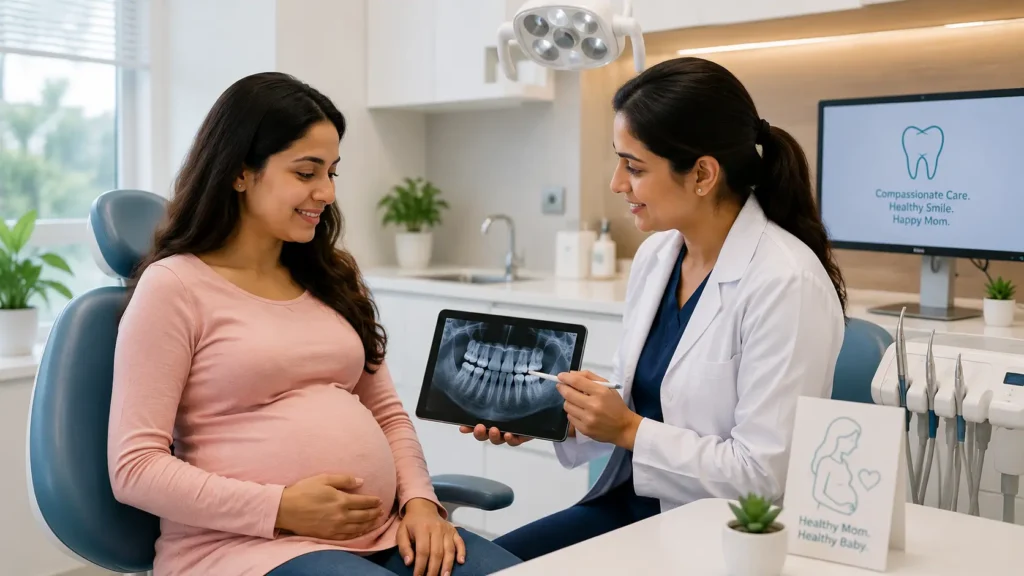
Root Canal Now vs. Waiting Until After Delivery: An Honest Comparison
For a tooth with active infection or significant pain, treating now is generally the safer choice. For a completely symptom-free tooth flagged for future treatment, waiting may be reasonable. Here is the honest comparison:
| Factor | Root Canal Now (During Pregnancy) | Waiting Until After Delivery |
| Infection risk | Source of infection removed promptly | Infection may progress or flare unpredictably |
| Pain | Resolved within days of treatment | Ongoing or recurring pain, often at night |
| Emergency risk | Very low once treated | Higher — abscess flare-ups can force emergency care at less ideal times |
| Maternal wellbeing | Better sleep, eating, and comfort | Chronic pain and stress during pregnancy |
| Tooth prognosis | Tooth usually saved | Advanced infection may make extraction the only option |
| Practicality after delivery | Nothing pending postpartum | Finding time for dental visits with a newborn is genuinely difficult |
| Suitable for | Active infection, abscess, significant pain | Truly asymptomatic teeth, confirmed stable by a dentist |
The right decision depends on your clinical situation — which is exactly why an examination, not an internet search, should make the final call.
How City Smiles Dental Care Manages Dental Treatment During Pregnancy
At City Smiles Dental Care in South Kolkata, safe dental care for pregnant patients follows a structured, personalized protocol rather than a one-size-fits-all approach:
- Detailed pregnancy history first. We record your trimester, obstetrician’s details, any pregnancy complications, and current medications before planning anything.
- Coordination with your obstetrician whenever your medical history calls for it, so both your doctors are aligned.
- Trimester-appropriate scheduling. Where the situation allows, we plan treatment in the second trimester; urgent infections are treated promptly in any trimester.
- Minimal, shielded digital X-rays. We take only the images essential for diagnosis, always with protective aprons.
- Comfort-focused appointments. Shorter sessions, adjusted chair positioning in later pregnancy, and breaks whenever you need them.
- Pregnancy-compatible medication choices, prescribed conservatively and documented for your obstetric records.
Expectant mothers visit us from Garia, Baghajatin, Jadavpur, Tollygunge, Santoshpur, Dhakuria, and surrounding South Kolkata neighbourhoods — often after being unsure for weeks about whether dental treatment during pregnancy is allowed at all. Our first job is always the same: examine carefully, explain honestly, and recommend only what your specific situation requires.
Myths vs Facts: Root Canal During Pregnancy
| Myth | Fact |
| “All dental treatment must wait until after delivery.” | Essential dental treatment, including RCT in pregnancy, is considered safe. Untreated infection is the bigger risk. |
| “Dental X-rays will harm my baby.” | Digital dental X-rays with a lead apron use minimal, focused radiation and are accepted as safe when clinically needed. |
| “Anaesthesia injections reach the baby and cause harm.” | Local anaesthetics like lidocaine in dental doses have not been shown to harm the baby. Untreated pain causes more stress. |
| “Pregnancy weakens teeth because the baby takes calcium from them.” | The baby’s calcium comes from your diet and bone reserves, not your teeth. Pregnancy dental problems come from hormonal gum changes, nausea-related acid exposure, and altered routines. |
| “Antibiotics can cure the infection so the root canal can wait.” | Antibiotics only suppress the infection temporarily. The infected pulp must be removed to actually resolve it. |
| “A root canal is too painful to handle while pregnant.” | With modern anaesthesia, a root canal feels similar to getting a filling — and it ends the toothache rather than causing pain. |
FAQs About Root Canal During Pregnancy
1. Is it safe to get a root canal while pregnant? Yes. A root canal during pregnancy is considered safe by major dental and obstetric guidelines. Treating an infected tooth promptly is usually safer for you and your baby than leaving the infection untreated, because dental infections can worsen and spread if ignored.
2. Which trimester is best for a root canal? The second trimester (weeks 14–27) is the preferred window because organ development is complete and you can sit comfortably. However, urgent root canals can be safely performed in any trimester when infection or severe pain is present.
3. Are dental X-rays safe during pregnancy? Yes, when clinically necessary. Digital dental X-rays use very low radiation focused on the mouth, and a lead apron shields your abdomen. Your dentist will take only the minimum images needed for accurate diagnosis.
4. Is dental anaesthesia safe for my baby? Yes. Lidocaine, the standard dental local anaesthetic, has a long record of safe use in pregnancy at normal dental doses. Effective anaesthesia also prevents pain-related stress, which benefits both mother and baby.
5. What happens if I ignore a tooth infection during pregnancy? The infection can progress, causing worsening pain, swelling, or an abscess that may spread beyond the tooth. Untreated oral infections have also been associated with pregnancy complications, so dentists recommend prompt treatment rather than waiting.
6. Can I take painkillers for tooth pain while pregnant? Paracetamol is generally the preferred option, but it only masks pain temporarily. Avoid self-medicating with ibuprofen or other NSAIDs, especially in the third trimester. Consult your dentist and obstetrician before taking any medication.
7. Can a root canal be done in the ninth month of pregnancy? If there is active infection or severe pain, yes — with shorter appointments and adjusted positioning for comfort. If the tooth is stable and symptom-free, your dentist may recommend completing treatment shortly after delivery instead.
8. Will pregnancy hormones affect my root canal recovery? Recovery from a root canal is typically smooth during pregnancy. Hormonal changes can make gums more sensitive and prone to inflammation, so your dentist may give additional oral hygiene guidance to support healing.
9. Should I tell my dentist I am pregnant, even in the early weeks? Absolutely — and as early as possible. Your trimester directly influences treatment timing, X-ray decisions, and medication choices. Also inform your dentist about your obstetrician’s contact details and any pregnancy-related conditions.
10. Do I need my gynaecologist’s permission for a root canal? Formal permission is not always required, but coordination is good practice — especially in high-risk pregnancies. At City Smiles Dental Care, we routinely liaise with obstetricians when a patient’s medical history calls for it.
Conclusion: Safe Dental Care for Two
A root canal during pregnancy is not something to fear — it is something to plan well. The evidence and clinical consensus are consistent: treating a tooth infection promptly, with pregnancy-appropriate precautions, protects both mother and baby better than months of untreated pain and spreading infection.
The keys are timing (second trimester where possible), technique (minimal shielded X-rays, standard local anaesthesia), and communication (your dentist and obstetrician working from the same page). Every recommendation, of course, follows a proper clinical examination — no article can replace that, including this one.
If you are pregnant and struggling with tooth pain anywhere in South Kolkata, do not spend another week wondering whether treatment is allowed. Get an honest, examination-based answer.
Book a Pregnancy-Safe Dental Consultation in South Kolkata
If tooth pain is stealing your sleep — or your dentist elsewhere has advised a root canal and you want a second opinion on timing and safety — the team at City Smiles Dental Care is here to help. We regularly treat expectant mothers from Garia, Baghajatin, Jadavpur, Tollygunge, Santoshpur, Dhakuria, and nearby South Kolkata areas with trimester-appropriate, obstetrician-coordinated care.
Book your appointment online — mention that you are pregnant and your current trimester so we can plan your visit for maximum comfort.
You can also find directions, patient reviews, and clinic timings on our Google Business Profile.
Safe dental care during pregnancy is possible — and you deserve to be pain-free while you prepare to welcome your baby.