


Does a sip of cold water or a bite of dessert send a sharp pain through your teeth? Tooth sensitivity to cold and sweet foods is a very common dental problem that affects people of all ages. While some experience mild discomfort, others feel intense, sudden pain that disrupts daily eating habits.
Many people ignore tooth sensitivity, assuming it is temporary. However, recurring sensitivity often indicates an underlying dental issue that needs attention. Understanding the causes and solutions can help prevent the problem from worsening.
What Is Tooth Sensitivity?
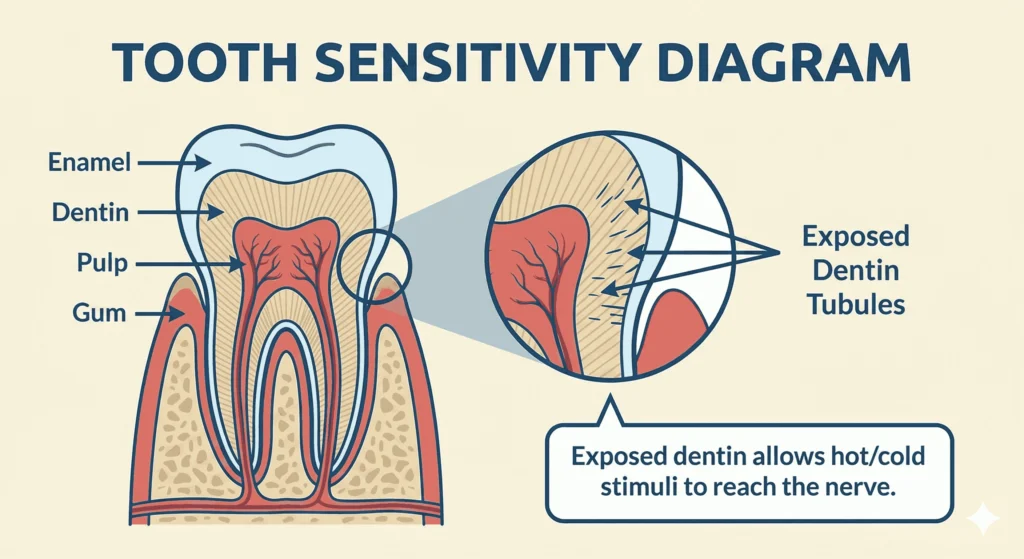
Tooth sensitivity occurs when the inner layer of the tooth, called dentin, becomes exposed. Dentin contains microscopic tubules that connect directly to the tooth nerve. When enamel wears down or gums recede, these tubules are no longer protected.
Cold drinks, ice cream, sweets, and even cold air can刺激 these nerve endings, causing sharp, short-lasting pain. Although the pain usually fades quickly, repeated sensitivity is a sign that the tooth’s protective layers are compromised.
Why Teeth React to Cold and Sweet Foods
Cold temperatures cause fluid movement inside the dentin tubules, which stimulates the nerve. Sweet foods create a chemical reaction that also irritates the nerve endings. When teeth are healthy and well-protected, these sensations are blocked.
If sensitivity occurs frequently, it usually means:
- Enamel has weakened
- Gums have receded
- Tooth decay or cracks are present
Ignoring these signs can allow the problem to progress into more serious dental conditions.
Common Causes of Tooth Sensitivity to Cold & Sweet
Tooth sensitivity can develop gradually or appear suddenly, depending on the underlying cause.
One of the most common reasons is enamel erosion, often caused by aggressive brushing, hard-bristled toothbrushes, or acidic foods and drinks. Over time, enamel becomes thinner, exposing the dentin beneath.
Gum recession is another major cause. When gums pull back due to gum disease or improper brushing techniques, the tooth roots—naturally more sensitive—become exposed.
Other common causes include:
- Tooth decay or cavities
- Cracked or chipped teeth
- Teeth grinding (bruxism)
- Recent dental procedures such as fillings or whitening
Each of these conditions allows external stimuli to reach the tooth nerve more easily.
When Tooth Sensitivity Should Not Be Ignored
Occasional sensitivity may not always be serious, but persistent or worsening pain is a warning sign. Dental evaluation is important if:
- Sensitivity lasts for more than two weeks
- Pain is sharp and intense
- Only one tooth is affected
- Sensitivity is accompanied by swelling or bleeding gums
In many cases, early treatment can prevent the need for complex procedures later.
Best Solutions for Tooth Sensitivity
The most effective treatment depends on the cause of sensitivity. After a proper dental examination, solutions may include:
- Desensitizing toothpaste, which blocks pain signals from the tooth nerve
- Fluoride treatments, to strengthen enamel and reduce sensitivity
- Dental fillings or bonding, to cover exposed dentin or cavities
- Gum treatment, if sensitivity is caused by gum recession or gum disease
- Night guards, for patients who grind their teeth
- Root canal treatment, in severe cases where the nerve is affected
Early intervention usually leads to quicker relief and simpler treatment.
Home Care Tips to Reduce Tooth Sensitivity
Along with professional treatment, daily habits play an important role in managing sensitivity. Simple steps include using a soft-bristled toothbrush, avoiding aggressive brushing, limiting acidic foods, and rinsing with plain water after consuming sweets or acidic drinks.
These practices help protect enamel and prevent sensitivity from worsening.
Tooth Sensitivity in Children and Teens
Children may also experience sensitivity, especially due to cavities, enamel defects, or early gum problems. Complaints of pain while drinking cold beverages or eating sweets should never be ignored. Early dental care helps prevent long-term dental issues and discomfort.
Why Choose City Smiles Dental Care?
Dental problems often require more than just symptom-based treatment—they need accurate diagnosis and a long-term care approach. At City Smiles Dental Care, we focus on understanding the root cause of dental concerns and providing treatment plans tailored to each patient’s needs. Our clinic combines experienced dentists, modern diagnostic techniques, and a patient-first philosophy to ensure safe, comfortable, and effective care for adults and children alike. Patients across South Kolkata trust us not only for treatment, but also for clear guidance, preventive care, and honest dental advice that supports long-term oral health.
Conclusion
Tooth sensitivity to cold and sweet foods is not something you should simply live with. While mild sensitivity may be manageable, persistent or sharp pain often signals an underlying dental problem. Identifying the cause early helps protect your teeth, reduce discomfort, and avoid more serious complications.
FAQs
- Is tooth sensitivity a serious problem?
It can be, especially if it persists or worsens over time. - Can cavities cause sensitivity to sweets?
Yes, sensitivity to sweet foods is often an early sign of tooth decay. - Does tooth sensitivity always need treatment?
Mild cases may improve, but persistent sensitivity should be evaluated. - Can tooth sensitivity be cured permanently?
Many cases can be effectively treated once the underlying cause is addressed. - Is tooth sensitivity common with age?
Yes, due to enamel wear and gum recession, sensitivity is more common in adults.