


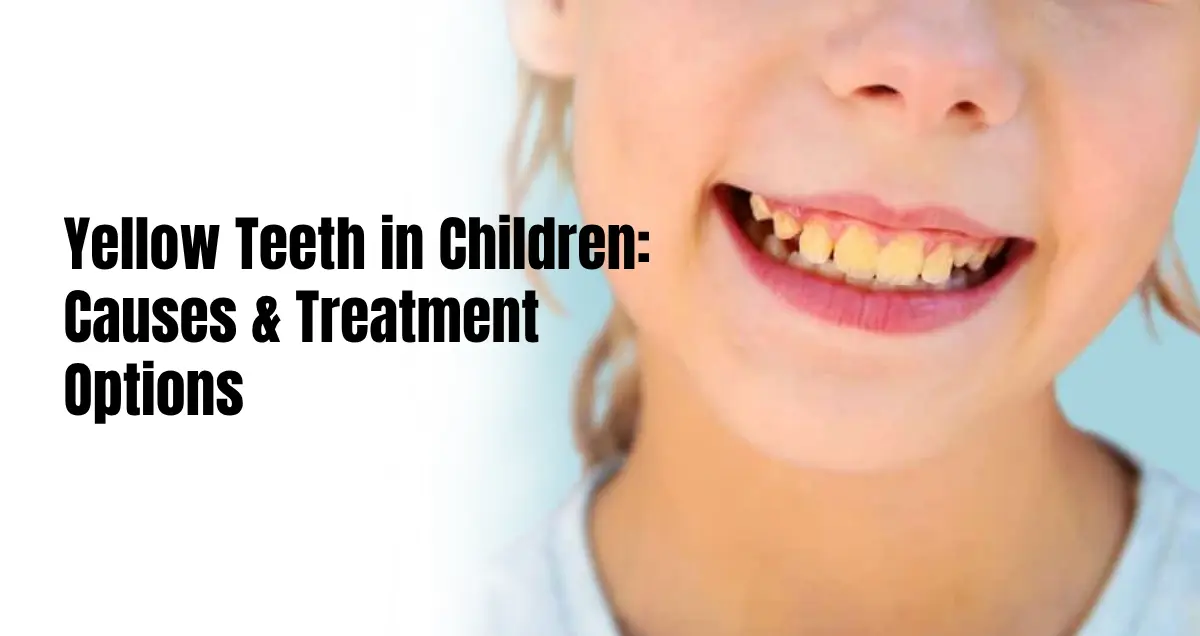
Noticing yellow teeth in children can be concerning for many parents. A child’s smile is often associated with bright, white baby teeth, so when permanent teeth erupt with a slightly yellow shade—or when discoloration develops over time—it naturally raises questions.
Is it normal? Is it a sign of cavities? Does it require treatment?
In many cases, yellow teeth in children are harmless and related to natural tooth development. However, sometimes discoloration may indicate enamel problems, poor oral hygiene, or early tooth decay. Understanding the difference is essential for making informed decisions about your child’s dental health.
Why Do Children’s Teeth Appear Yellow?
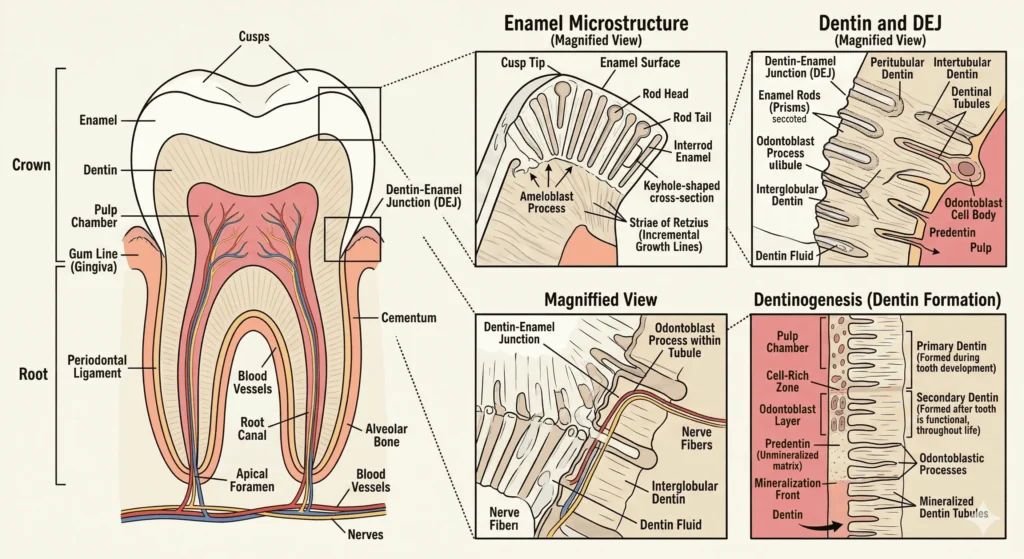
Before assuming a dental problem, it is important to understand that teeth are not naturally pure white. Tooth color depends on two main layers:
- Enamel: The outer protective layer, usually white or translucent
- Dentin: The inner layer, which has a natural yellow tone
When enamel is thinner or more translucent, the yellowish dentin underneath becomes more visible. This is one of the most common reasons permanent teeth appear more yellow than baby teeth.
Why Permanent Teeth Look More Yellow Than Baby Teeth
One of the most frequent concerns arises when children begin losing baby teeth and permanent teeth erupt.
Permanent teeth naturally appear:
- Slightly darker
- More yellow
- Larger in size
This happens because permanent teeth contain more dentin and are structurally stronger. The contrast between bright white baby teeth and newly erupted permanent teeth can make the latter appear unusually yellow, even when they are perfectly healthy.
This difference is normal and does not require treatment.
Common Causes of Yellow Teeth in Children
While some yellowing is normal, other causes may require attention.
1. Poor Oral Hygiene
Inadequate brushing allows plaque to accumulate. Over time, plaque hardens into tartar (calculus), which has a yellow or brownish appearance.
Children often:
- Rush brushing
- Miss back teeth
- Avoid brushing near gums
Without supervision, these habits can quickly lead to visible discoloration.
2. Enamel Weakness or Hypoplasia
Enamel hypoplasia is a condition where enamel does not form properly. When enamel is thin or weak, dentin shows through more clearly.
This condition may be caused by:
- Premature birth
- Nutritional deficiencies
- Illness during early childhood
- Genetic factors
Children with enamel defects are more prone to discoloration and cavities.
3. Diet and Staining Foods
Frequent consumption of colored beverages and foods can stain teeth.
Common staining contributors include:
- Artificial fruit juices
- Sugary drinks
- Colored candies
- Chocolate milk
Though less common than in adults, staining can accumulate over time.
4. Fluorosis
Excess fluoride intake during early childhood can lead to dental fluorosis. This condition may cause:
- White streaks
- Yellowish or brown patches
- Surface irregularities
Fluorosis usually affects cosmetic appearance but does not always indicate weakness.
5. Medication Exposure
Certain antibiotics taken during early tooth development may cause intrinsic discoloration. These stains are deeper within the tooth and may not respond to simple cleaning.
6. Early Tooth Decay
Cavities may initially appear as yellow or brown spots before turning dark. If the area feels rough or soft, decay may be present.
Early cavities are easier to treat and prevent from progressing.
When Should Parents Be Concerned?
Yellow teeth in children should be evaluated if:
- Discoloration appears suddenly
- Only one tooth is affected
- The tooth has brown or black patches
- Sensitivity or pain accompanies discoloration
- Gums are swollen or bleeding
These signs may indicate infection, decay, or enamel damage requiring professional care.
Are Yellow Teeth Linked to Cavities?
Yes, in some cases. Early cavities may look yellow before becoming dark brown or black.
Signs that discoloration may be decay include:
- Rough or sticky surface
- Visible holes or pits
- Complaints of pain while eating
- Food frequently getting stuck in the same area
Professional evaluation helps distinguish stains from cavities.
Psychological Impact on Children
As children grow older, especially during school years, tooth color may affect self-confidence. Children may compare their teeth with peers and feel embarrassed if their smile looks different.
Addressing cosmetic concerns in a safe and age-appropriate manner helps maintain confidence without unnecessary interventions.
Treatment Options for Yellow Teeth in Children
Treatment depends entirely on the underlying cause.
Professional Dental Cleaning
If plaque and tartar buildup are responsible, professional cleaning can significantly improve appearance. This is safe and effective.
Fluoride Application
Fluoride treatments strengthen enamel and protect against further discoloration or decay.
Polishing and Minor Cosmetic Procedures
In certain cases, mild polishing may reduce superficial stains.
Dietary and Oral Hygiene Improvements
Improving brushing technique and limiting sugary drinks often results in noticeable improvement within weeks.
Whitening (With Caution)
Teeth whitening is generally not recommended for young children. For teenagers with permanent teeth, options may be discussed under strict professional supervision.
How Parents Can Prevent Yellow Teeth in Children
Prevention plays a major role in maintaining healthy tooth color.
Parents should:
- Supervise brushing until at least age 7–8
- Use age-appropriate fluoride toothpaste
- Encourage brushing twice daily
- Limit sugary and colored beverages
- Schedule regular dental checkups
Consistency is more important than perfection. Small daily habits lead to long-term dental health.
Why City Smiles Dental Care Is the Right Choice for Children’s Dental Care in Kolkata
At City Smiles Dental Care, we understand that concerns about yellow teeth in children can cause anxiety for parents. Our approach focuses on identifying whether discoloration is part of natural development, hygiene-related, or associated with enamel or cavity issues. Each child receives a careful evaluation to determine the safest and most appropriate treatment plan. Located in South Kolkata, the clinic provides dependable, preventive-focused, and child-friendly dental care tailored to growing smiles.
Why parents choose City Smiles Dental Care for pediatric dental concerns:
- Thorough assessment of tooth discoloration
- Early detection of cavities and enamel problems
- Preventive and minimally invasive approach
- Guidance on brushing and diet habits
- Gentle and comfortable treatment environment
- Transparent treatment planning
- Trusted dental clinic in South Kolkata
Conclusion
Yellow teeth in children are not always a cause for concern. In many cases, they are a natural result of permanent tooth eruption or minor staining. However, sudden or uneven discoloration may indicate underlying dental problems that require professional attention. Early evaluation, proper oral hygiene habits, and preventive care are essential to maintaining a healthy and confident smile.
FAQs
- Are permanent teeth always more yellow than baby teeth?
Yes, permanent teeth naturally contain more dentin and may appear slightly yellow. - Can poor brushing cause yellow teeth?
Yes, plaque and tartar buildup can lead to visible yellow discoloration. - Is whitening safe for children?
Whitening is generally not recommended for young children and should only be considered under professional advice. - Can yellow teeth indicate cavities?
Sometimes. Rough or dark yellow patches may signal early tooth decay. - How can I improve my child’s tooth color safely?
Proper brushing, professional cleaning, and dietary adjustments are the safest methods.